Attic
The attic is where insulation money goes furthest, for a reason worth understanding: it is the only assembly in a house where you can add depth almost without limit, and where heat loss is driven hardest by the temperature difference.
But the first inches do nearly all the work
Savings follow the difference between two reciprocals, not two R-values. Going from an uninsulated attic to R-30 removes about three quarters of the heat loss through it. Going from R-38 to R-49 removes about six percent more.
That is why "more R is always better" is bad advice, and why the right question is never "what is the maximum" but "where does the return stop paying".
Air sealing comes first, and it is not close
Insulation slows heat moving by conduction. It does nothing about air moving bodily through gaps around can lights, top plates, plumbing stacks, wiring penetrations and the attic hatch.
Blowing insulation over unsealed penetrations buries the problem somewhere you can no longer reach, and the return per dollar on sealing those gaps is several times higher than the return on the last R-10. Do it in that order or do not bother.
Two things that ruin a correct job
Blocked soffits. Baffles in every rafter bay holding the material back from the vents. A roof that cannot breathe grows ice dams in cold climates and cooks shingles in hot ones.
Buried can lights. Older recessed fixtures are not rated for insulation contact and covering them is a fire risk. Either fit IC-rated fixtures or build a clearance box — and while you are up there, seal around them, because they are among the leakiest holes in a ceiling.
Depth, not bag count, is the check
Staple depth rulers to the trusses before blowing. It is the only way to know what you actually laid down.
6 articles
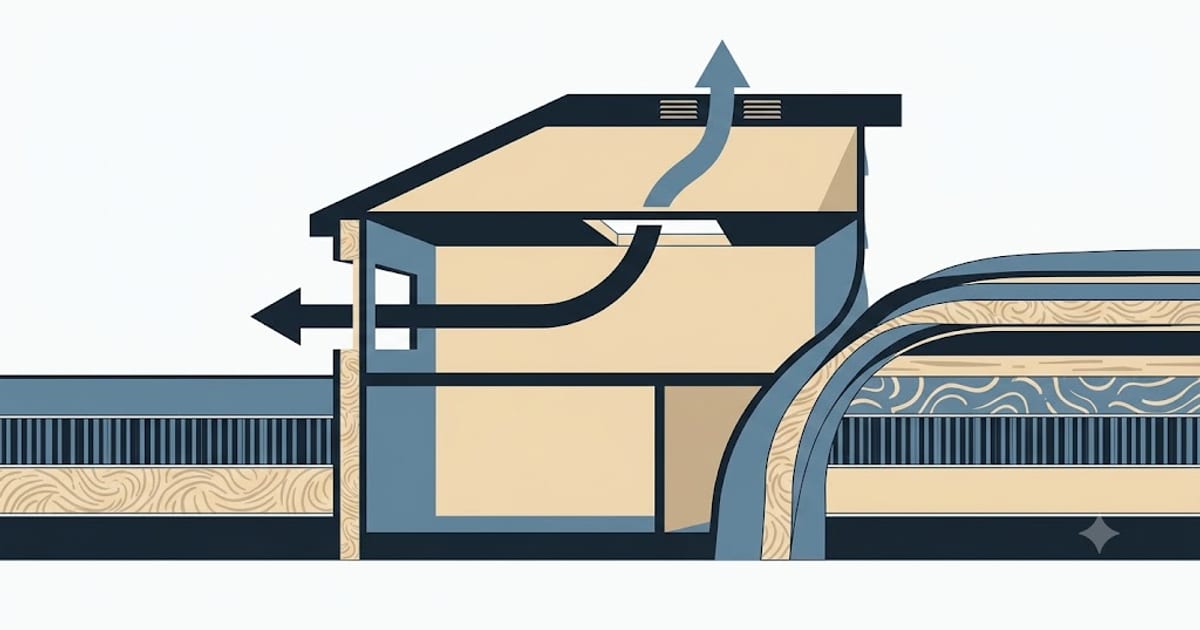 Whole House Fan Cost, and the Attic Venting It Demands
A whole house fan is cheap to run and cheap to fit. It is also the one appliance that will not work unless the attic venting is doubled first.
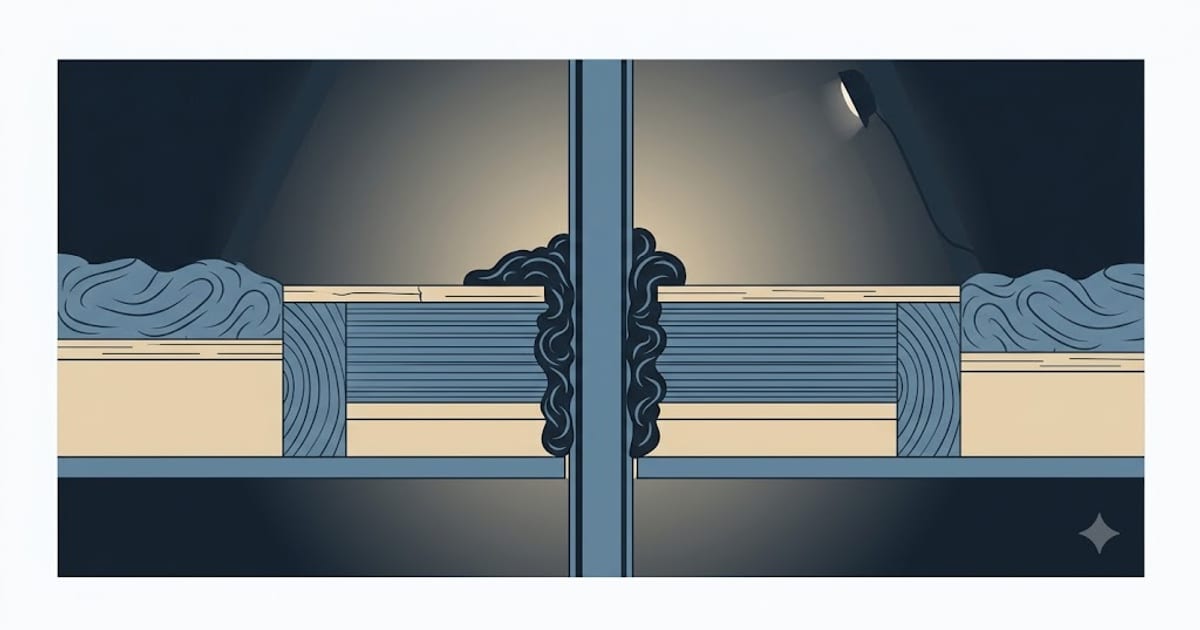 Air Seal the Attic First — Insulation Does Not Stop Air
Insulation slows conduction. It does nothing about air moving straight through it, and the leaks are in places loose fill will bury forever.
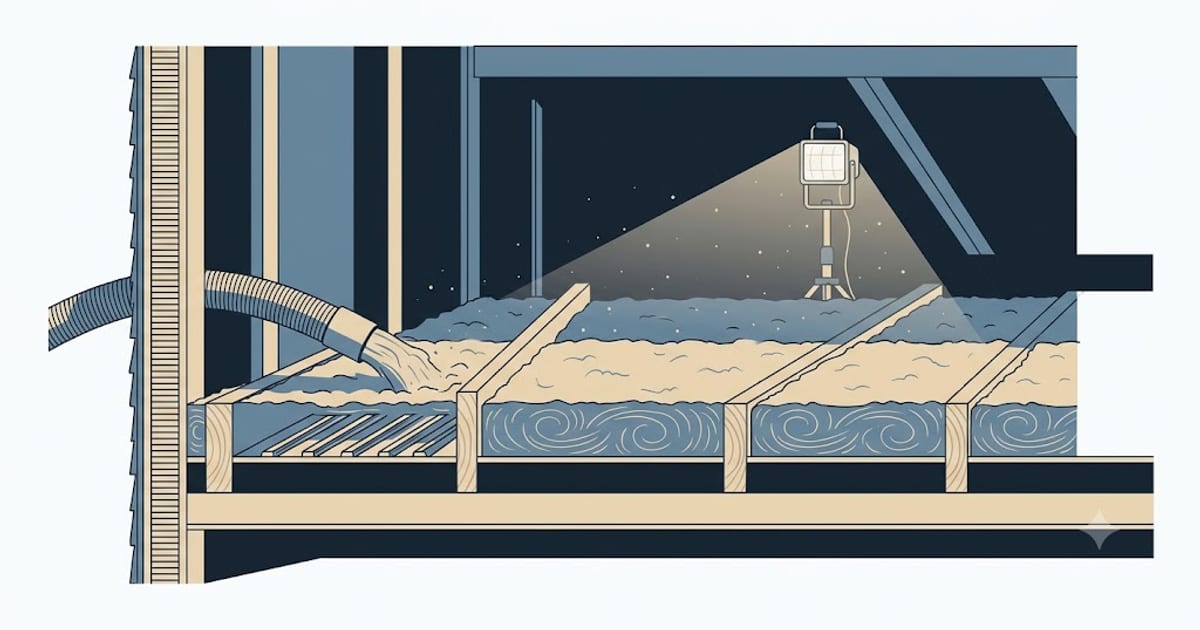 How Many Inches of Blown Insulation for R-49? 14 or 20, Depending on the Material
Two materials go in the same machine and need wildly different depths for the same R-value. Then one of them settles and takes part of it back.
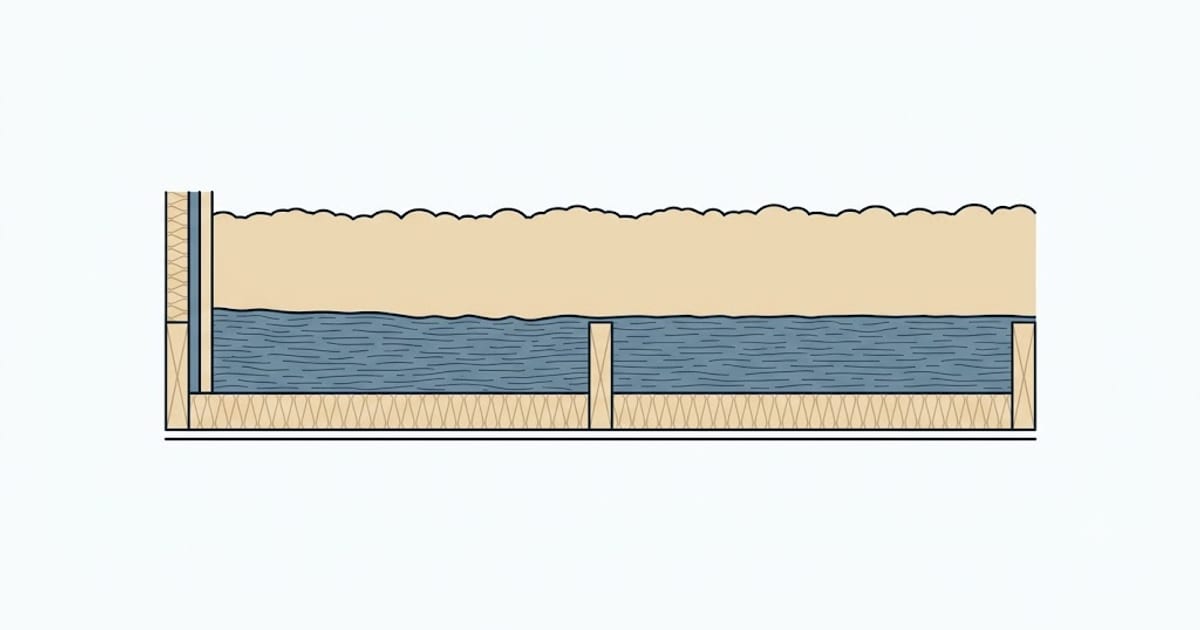 Zone 5 Attic Insulation: The Target, the Depth, and the Top-Up Maths
Zone 5 covers a large share of the country and sits right on the step where the code moved from R-49 to R-60. Which one applies to you is a local question.
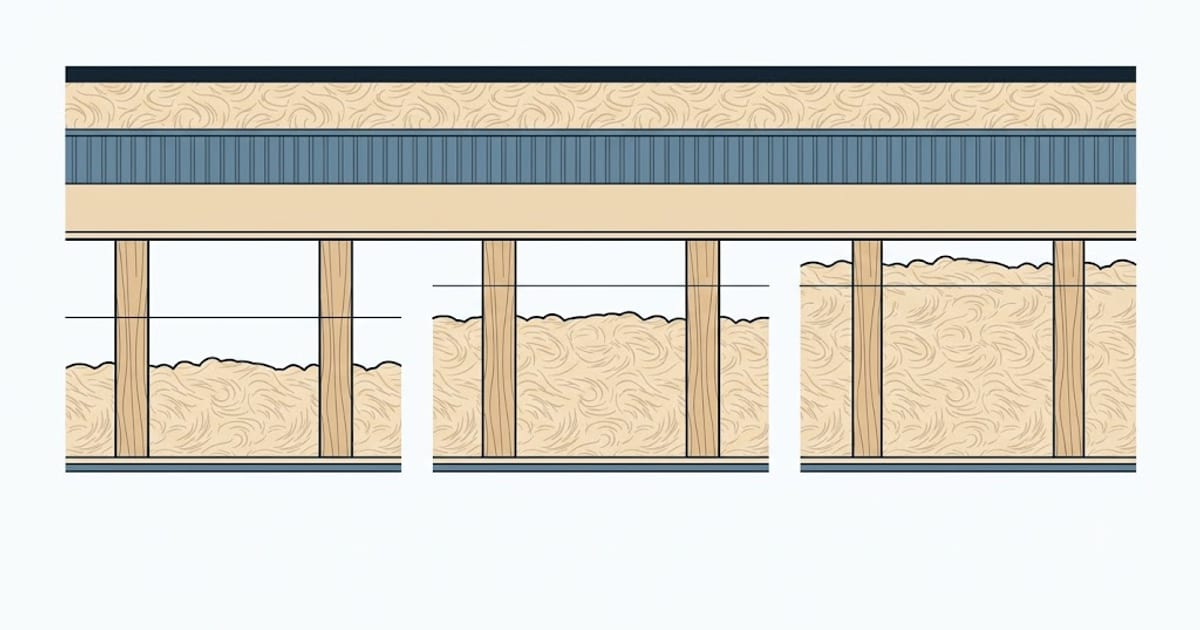 R-38 vs R-49 vs R-60: What Each Step Actually Removes
Each step up removes less than the one before it. Knowing how much less is the difference between a sensible upgrade and buying insulation you will never notice.
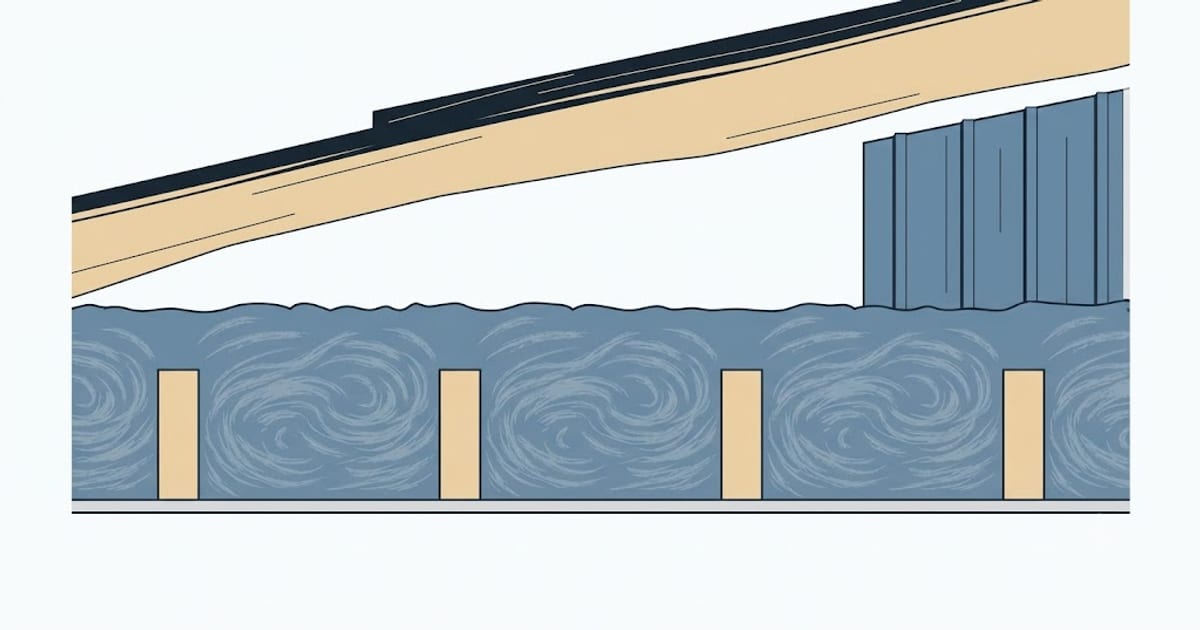 Attic R-Value by Climate Zone, and How Deep That Actually Is
Everyone quotes an R-value target. Almost nobody tells you how many inches of the stuff you are actually buying that target comes to — and the answer ranges from seven inches to two full feet.