Walls
Wall insulation is the assembly where the number on the batt and the performance of the wall differ most.
A 2×6 wall with R-21 batts performs at about R-16. The reason is framing: studs, plates, headers, corners and window bucks make up 20 to 25% of a wall's area, and wood is roughly R-1.25 per inch. A 2×6 stud is about R-6.9 sitting right beside R-21 of insulation, and heat takes the easy route.
Which is why continuous insulation is in the code
IECC gives two paths for most zones — a higher cavity R-value, or a lower one plus continuous exterior insulation. R-13 + R-5 continuous outperforms R-20 in the cavity, because the continuous layer covers the studs too.
That equivalence in the code is the framing factor written down.
The order of operations
Air sealing first. A well-insulated wall with unsealed penetrations loses more through air movement than the difference between R-15 and R-21. Bottom plate, top plate, every wire and pipe, around window and door bucks.
Then fill the cavity properly. Batts split around wiring rather than stuffed behind it. Compressed insulation loses R-value in proportion to the compression, and gaps lose far more than their area suggests, because empty space convects.
Then continuous insulation, if the budget reaches.
The rim joist is part of this
The band board at the floor line is a small area with an outsized heat loss and it is almost always the worst assembly in the building. Rigid foam cut to fit and sealed at the perimeter, or closed-cell spray foam — not batts, which let air reach the cold band board and condense there.
Retrofit walls
A closed wall cannot take batts. Dense-pack cellulose blown through drilled holes at 3.5 lb/ft³ is the practical option, and a good one: it resists settling and substantially reduces air movement inside the cavity.
5 articles
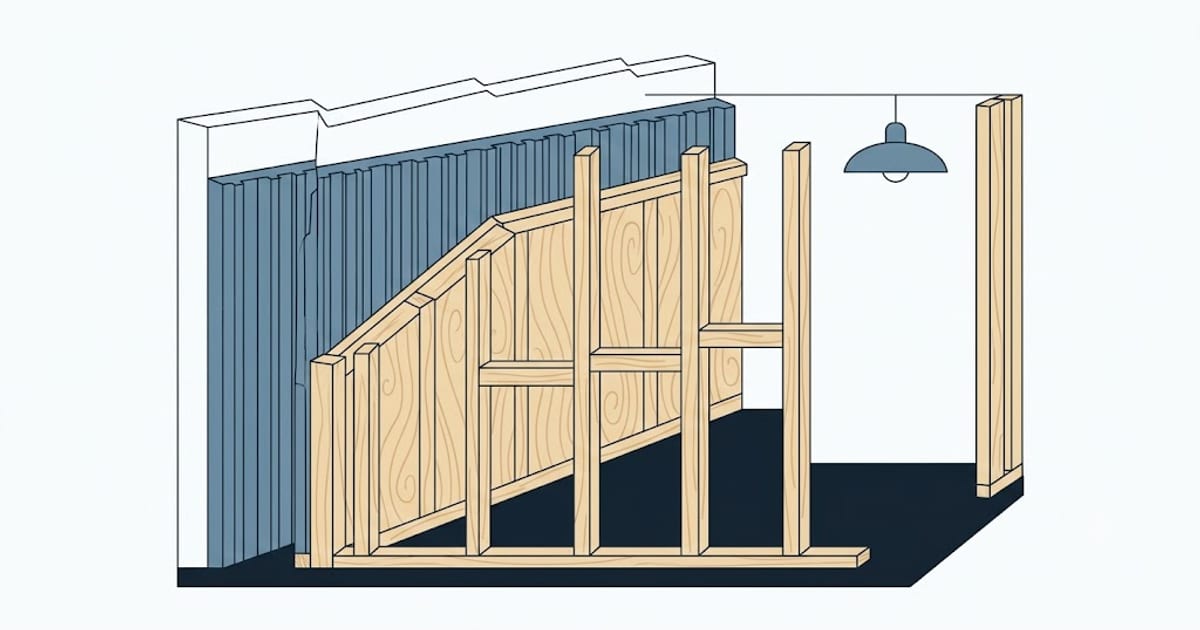 Insulating a Basement Wall: Fiberglass Against Concrete Is How You Get Mould
A basement wall is not an above-grade wall underground. Concrete carries moisture continuously, and the assembly that works above grade fails below it.
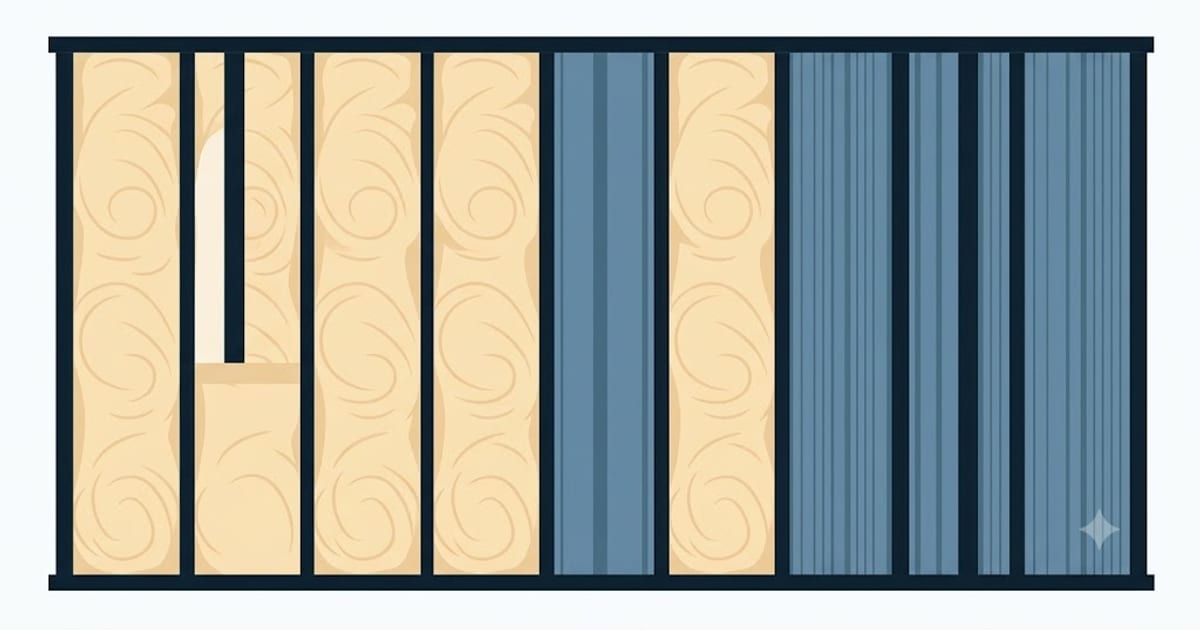 2×4 or 2×6 Walls: The Cavity Gains R-8, the Wall Gains About R-5
Moving from 2×4 to 2×6 adds two inches of cavity and a smaller improvement than the numbers suggest, because the studs do not get any better.
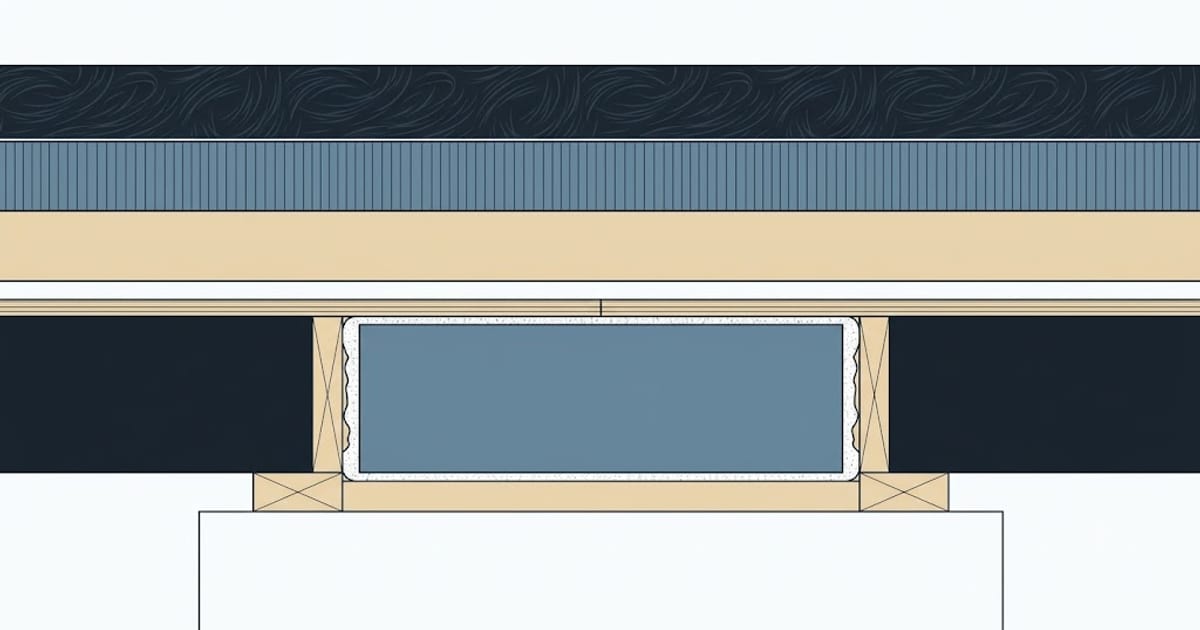 Rim Joists: The Smallest Area with the Biggest Return
A rim joist band is perhaps 2% of a house's surface area and routinely 10% of its heat loss. It is also the assembly most often insulated the wrong way.
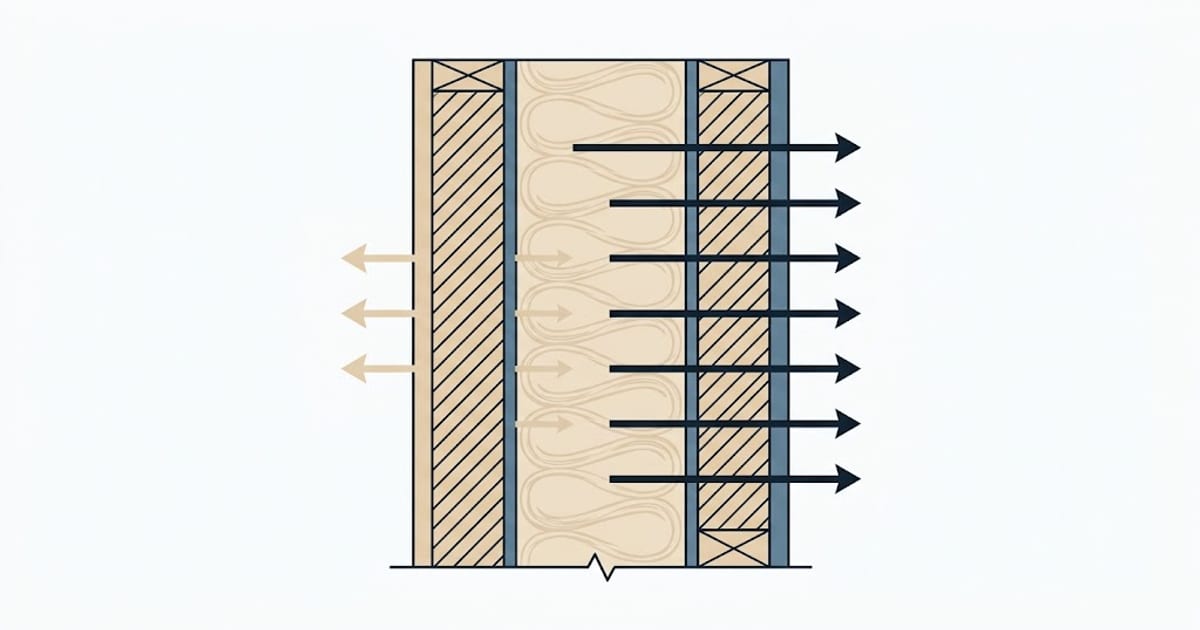 R-Value for Exterior Walls: Why the Cavity Number Is Not the Wall Number
A wall insulated to R-21 does not perform at R-21, and the gap is not small. The studs are the reason, and they are about a quarter of the wall.
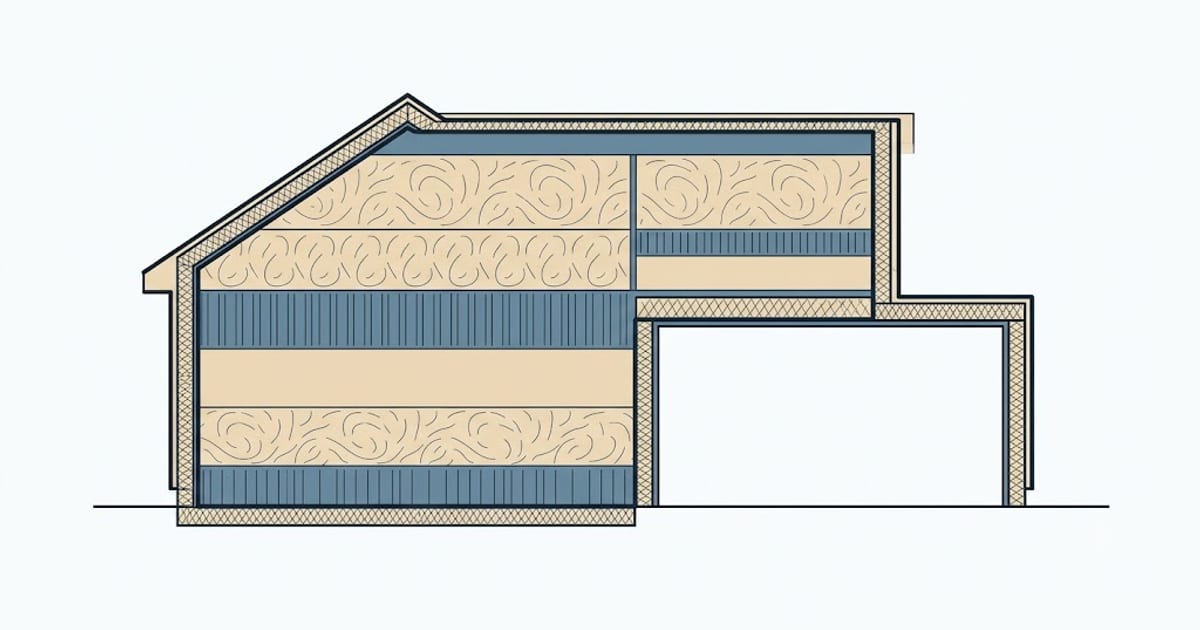 Insulating a Garage: What to Insulate Depends on What You Want From It
Most garage insulation advice fails because it does not ask the first question: is the garage inside the thermal envelope or outside it?