Blown-In Insulation
How many bags of blown-in insulation an attic takes, and how deep to blow it — calculated from R per inch and settled density so you can check it against the bag in your hands.
Blown-in insulation is sold by the bag, and every manufacturer prints a different coverage chart. They disagree with each other by up to 15%.
Rather than copy one brand's chart and call it an answer, the figures here are worked from two constants stated openly on every page: R-value per settled inch and settled density. Check both against the bag in your hands — they will be printed on it, and if they differ from ours, ours are wrong for your material.
Blow deeper than the finished depth
Loose fill settles. Cellulose drops about 20% over the first months; loose-fill fiberglass barely moves. Insulation blown to the finished depth ends up short of the R-value you paid for, and by then it is under a floor of trusses and nobody is going back up.
Staple depth rulers to the trusses before you start. It is the only way to know what you actually laid down, and it costs nothing.
Cellulose or fiberglass
Cellulose has a higher R per inch (about 3.5 settled against 2.6), so it needs less depth for the same rating — which matters in a shallow attic. It also handles air movement better, because it packs more densely.
Fiberglass is lighter, does not settle much, and does not absorb water the way cellulose does. In an attic with any history of roof leaks, that is worth something.
The two things that ruin a good job
Blocked soffits. Baffles in every rafter bay, holding the material back from the vents. A roof that cannot breathe grows ice dams in cold climates and cooks shingles in hot ones.
Buried penetrations. Air seal first — around can lights, top plates, plumbing stacks, the attic hatch. Insulation blown over unsealed gaps hides them permanently, and those gaps move more heat than the insulation you just added saves.
3 articles
Blown-in cellulose for a 1600 ft² attic: R-11 up to R-38
| R-value to addR-38 target − R-11 existing | R-27 |
|---|---|
| Settled depth to addat R-3.5 per inch | 7.7in |
| Blow to this depth20% settling allowed for | 9.6in |
| Bags | 66× 25 lb |
| Coverage per bagat 7.7″ settled | 24.3ft² |
| Material volume | 1,029ft³ |
| Assumed R per inchsettled, not as-blown | 3.5 |
| Assumed settled density25 lb bag ⇒ 15.6 ft³ | 1.6lb/ft³ |
Notes
- Check these two assumptions against the bag before you buy: R-3.5 per settled inch and 1.6 lb/ft³ settled density. Manufacturer coverage charts vary by up to 15% between brands, and every one of them prints its own numbers on the bag.
- Blow to 9.6″, not 7.7″. Cellulose settles about 20% over the first months — insulation blown to the finished depth ends up short of the R you paid for.
- Air sealing comes first, always. Insulation slows heat that moves by conduction; it does nothing about air moving through gaps around can lights, top plates and the attic hatch. Blowing over unsealed penetrations buries the problem where you can no longer reach it.
- Keep it out of the eaves. Baffles at every rafter bay hold the insulation back from the soffit vents — blocked soffits stop the roof breathing, and in cold climates that is how ice dams start.
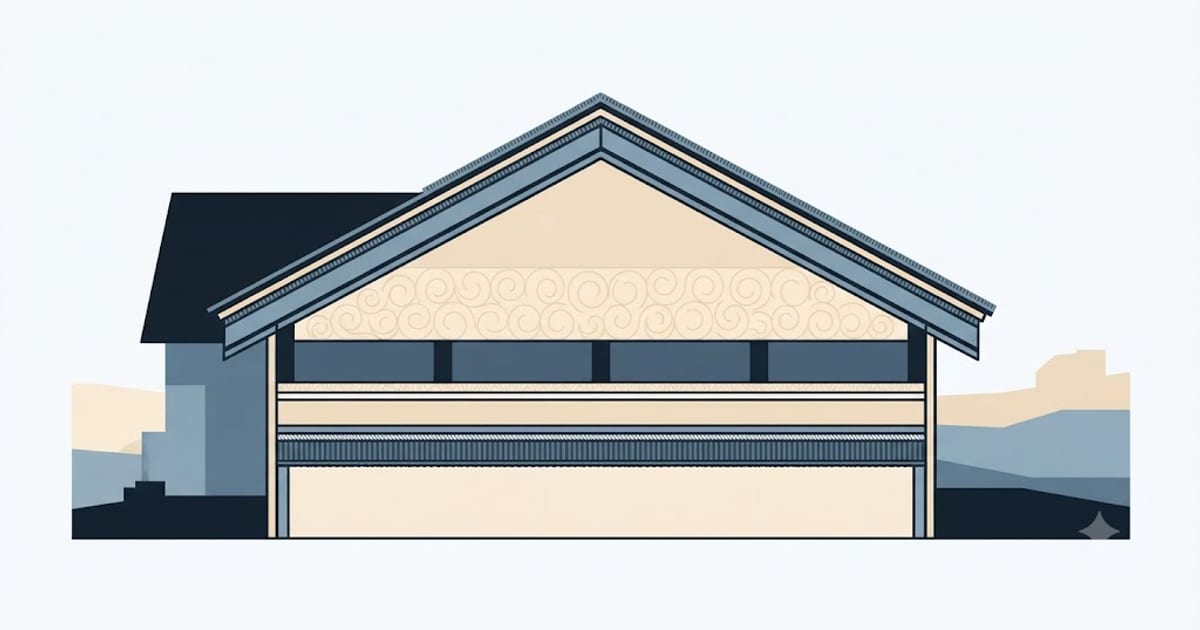 Attic Insulation Cost by State — And Why It Barely Moves
Insulation is the one trade here where the state you live in barely changes the price. Labor is only 45% of a blow, so the whole country lands within 35% of $1,900.
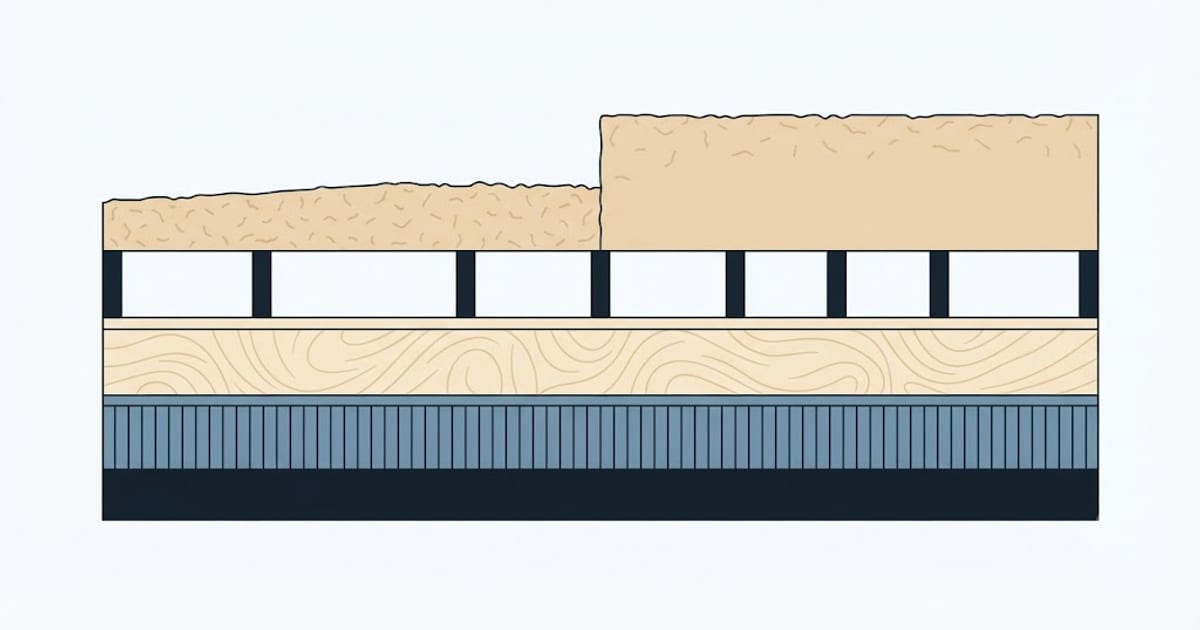 Blown-In Attic Insulation Cost per Square Foot — Priced by Depth, Not by Area
Two quotes at the same dollars per square foot can differ by a third in insulation delivered. The number that matters is dollars per square foot at a stated R-value.
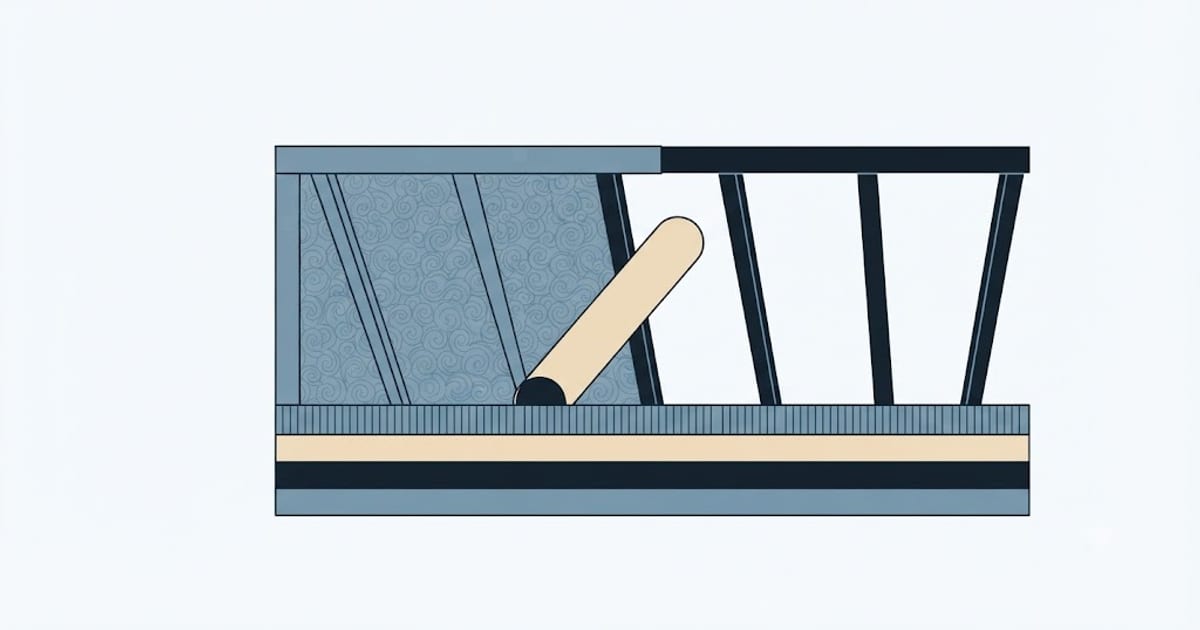 Attic Insulation Removal Cost — When It Is Necessary and When It Is an Upsell
Removal roughly doubles the cost of an attic job. There are four situations that justify it, and being old is not one of them.