Climate Zones
Insulation targets are set by climate zone, and the map that governs them is the IECC one — not a rule of thumb and not a national average.
Zone 2 wants R-30 to R-49 in the attic. Zone 4 wants R-49. Zones 6 and 7 want R-49 to R-60. Those are code minimums for new construction, and they were chosen roughly where the economics stop paying — which makes them a good target for an existing house too.
Local code beats the map
The IECC is a model code. Your jurisdiction may have adopted a stricter version, an older version, or amended it. Check locally before ordering, particularly if the work is permitted.
Heating degree days are what actually drive the number
A zone is a bucket; the underlying quantity is heating degree days. Zone 2 runs about 1,500 HDD a year, Zone 5 about 6,300, Zone 6 about 7,900. Savings scale almost linearly with that figure, which is why the same upgrade that pays back in four years in Minneapolis takes fifteen in Houston.
Any insulation advice that does not say which climate it was written for is advice for somebody else's house.
Cooling changes the answer in hot zones
Attic insulation works in both directions. In Zones 1 to 3 the summer benefit often justifies more insulation than the heating figures alone would — and radiant barriers, which do very little in cold climates, start to earn their place.
The zone does not tell you about your house
Two houses in the same zone can differ by a factor of two in heat loss, because envelope quality, air leakage and window area vary far more than climate does within a zone. The zone sets the target; the house decides what reaching it is worth.
4 articles
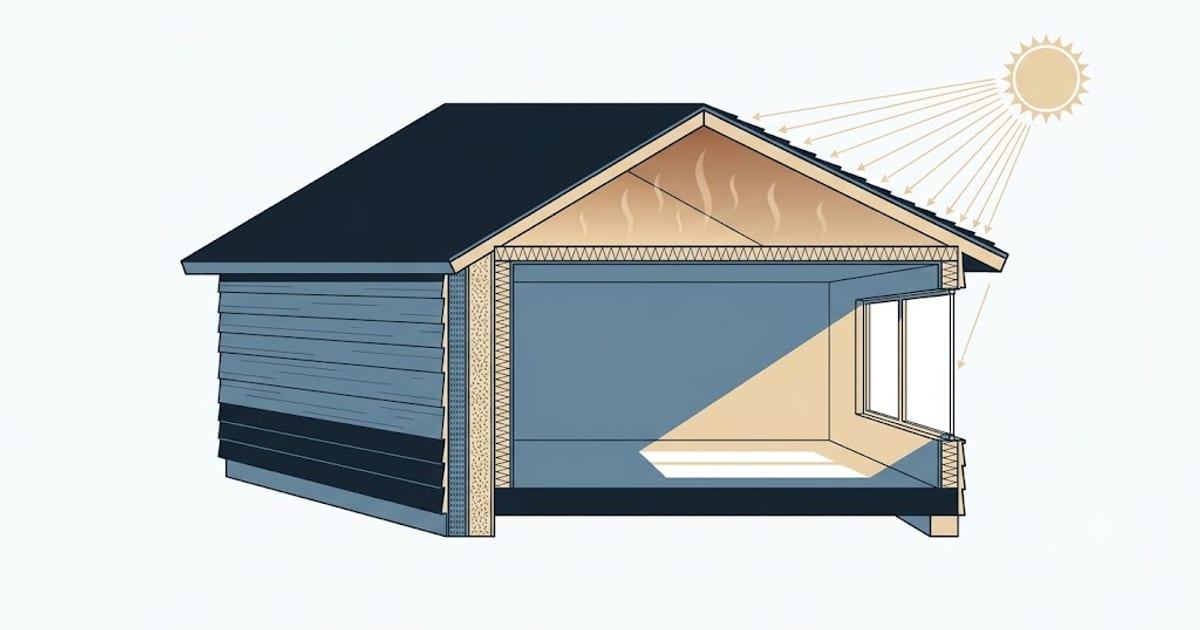 Does Insulation Help in Summer? Yes, and Differently Than in Winter
Insulation works in both directions. But the way heat gets into a house in July is not the mirror image of how it leaves in January.
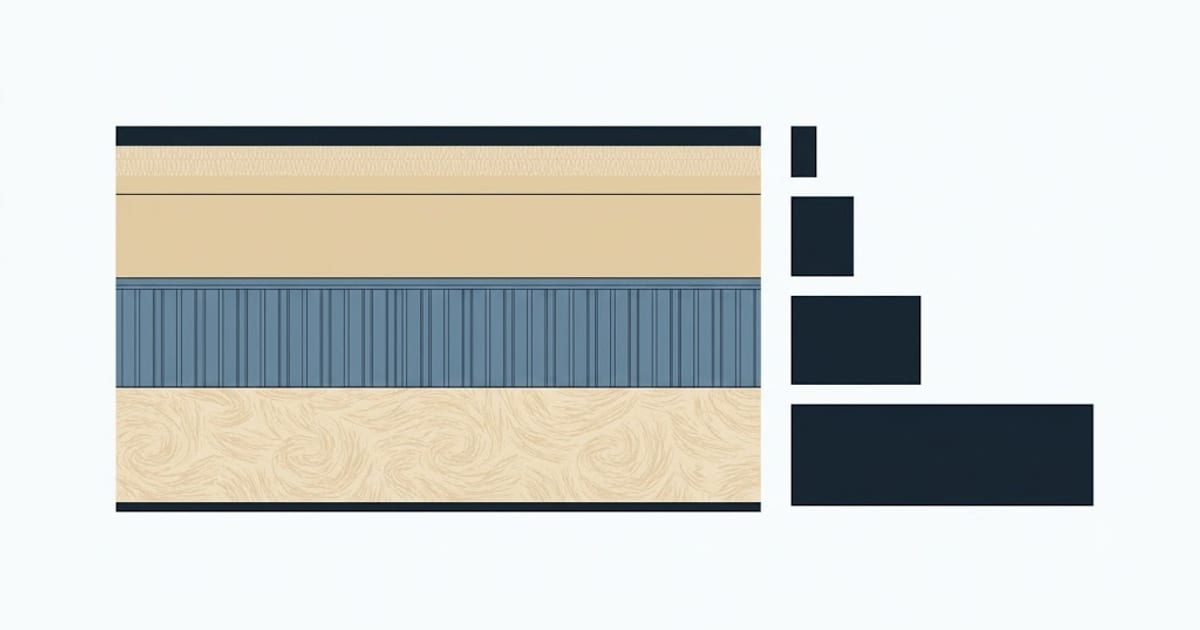 Insulation Payback: The Arithmetic, and the Three Things It Leaves Out
The payback calculation is straightforward. What makes it misleading is that three of the largest benefits do not appear in it at all.
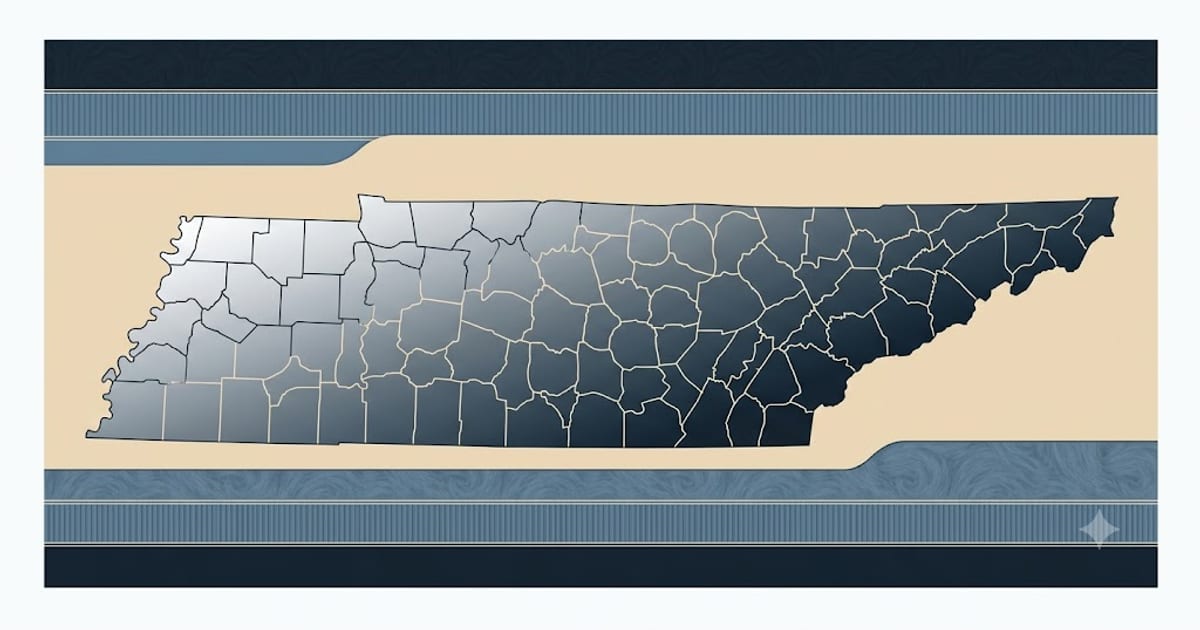 Finding Your IECC Climate Zone, and Why the Map Is Not the Answer
Climate zones are assigned by county, not by zip code. Where the two disagree, the county wins — and they disagree more often than you would expect.
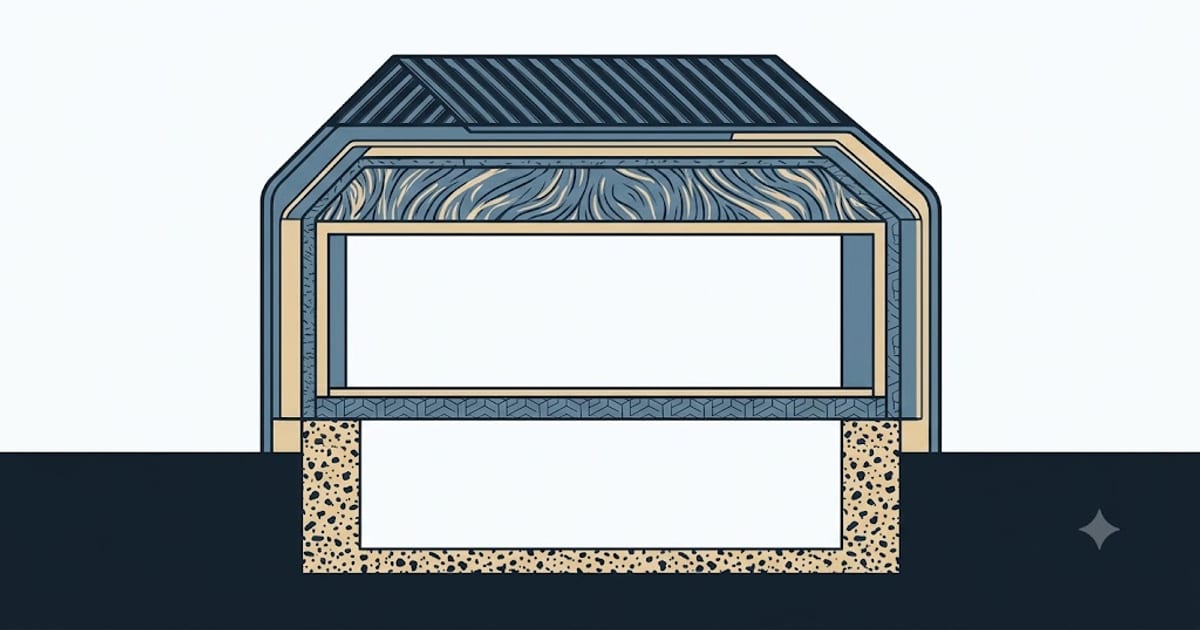 R-Value by Climate Zone: Ceilings, Walls and Floors in One Table
The whole envelope in one table, plus the thing nobody says out loud — the edition your jurisdiction enforces may be two cycles behind the current one.